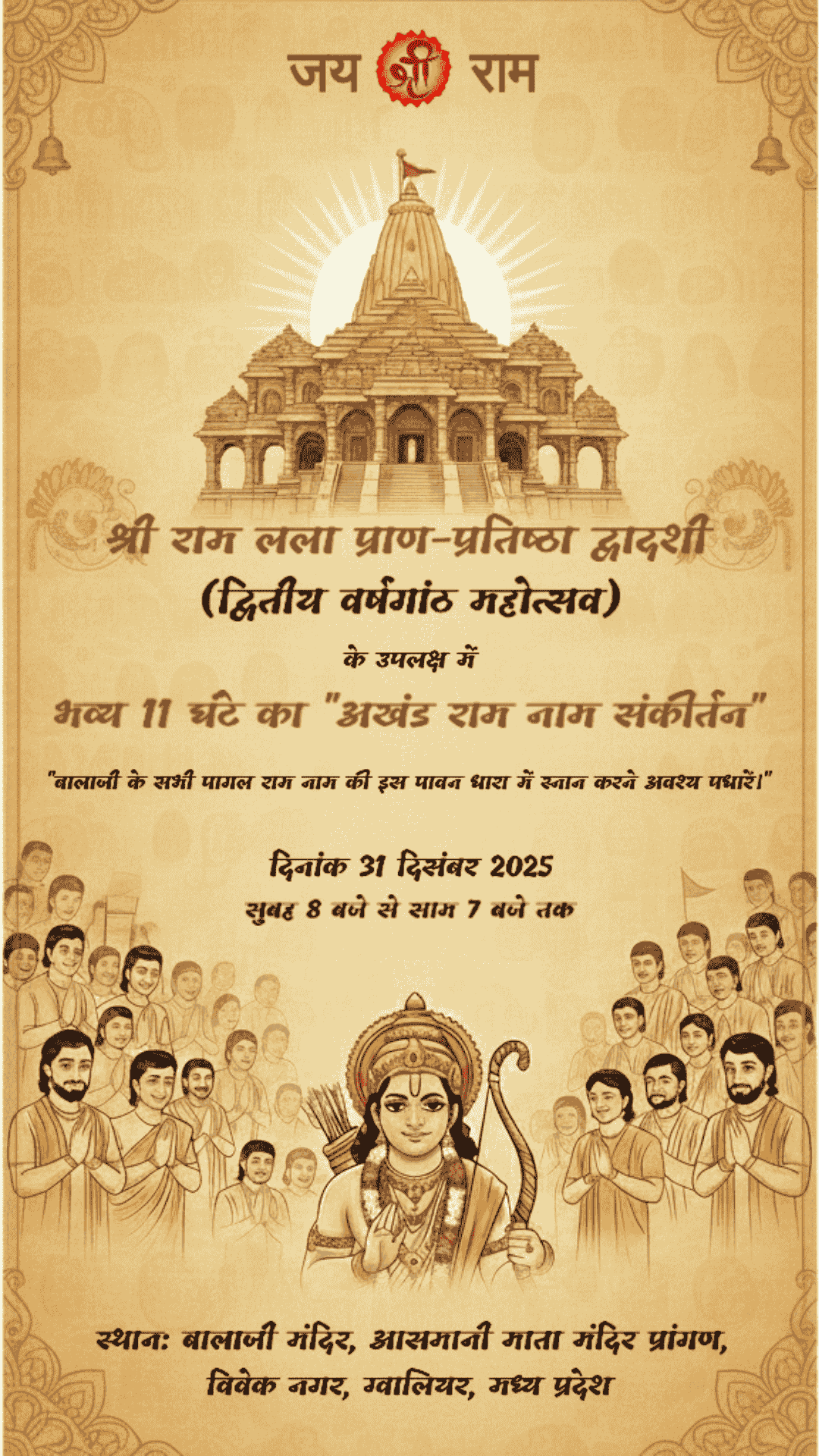
प्रतिष्ठा द्वादशी
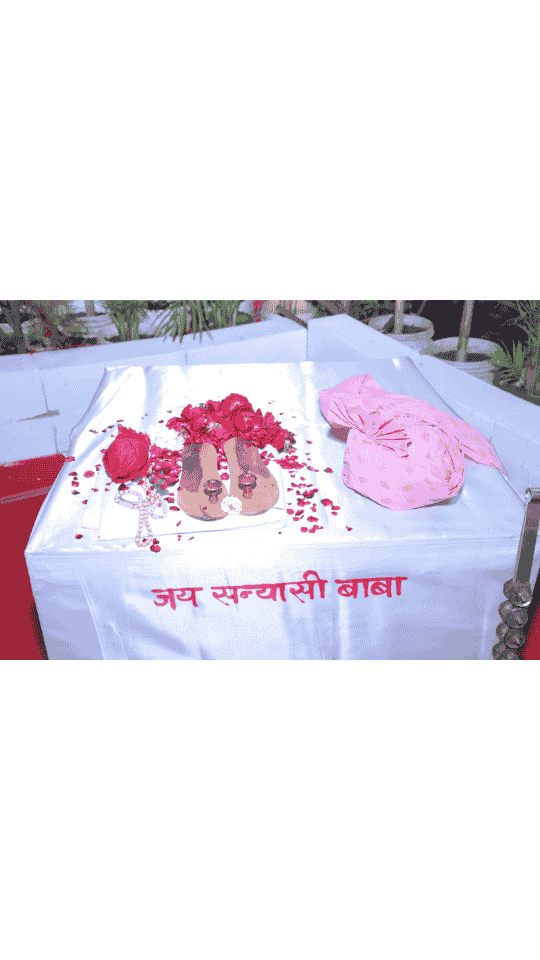
सन्यासी बाबा
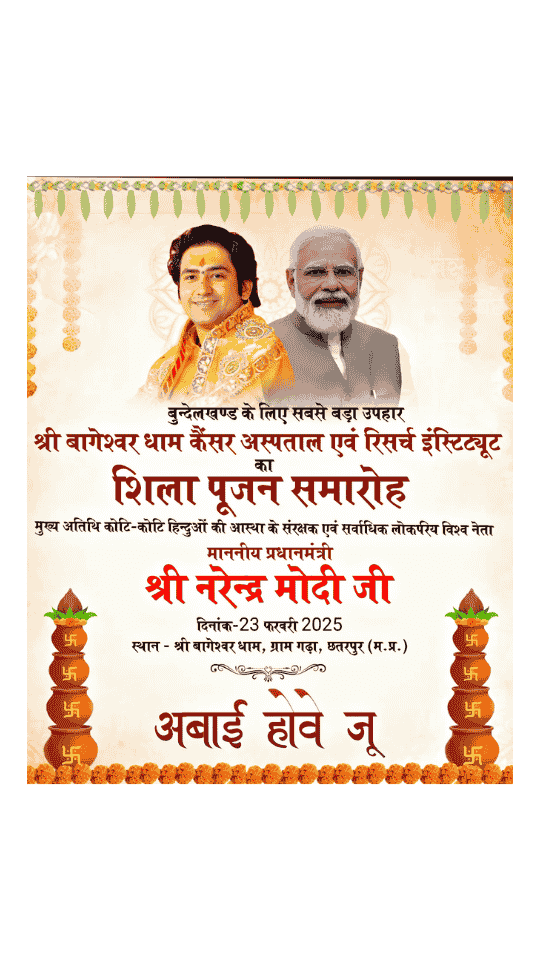
कैंसर हॉस्पिटल
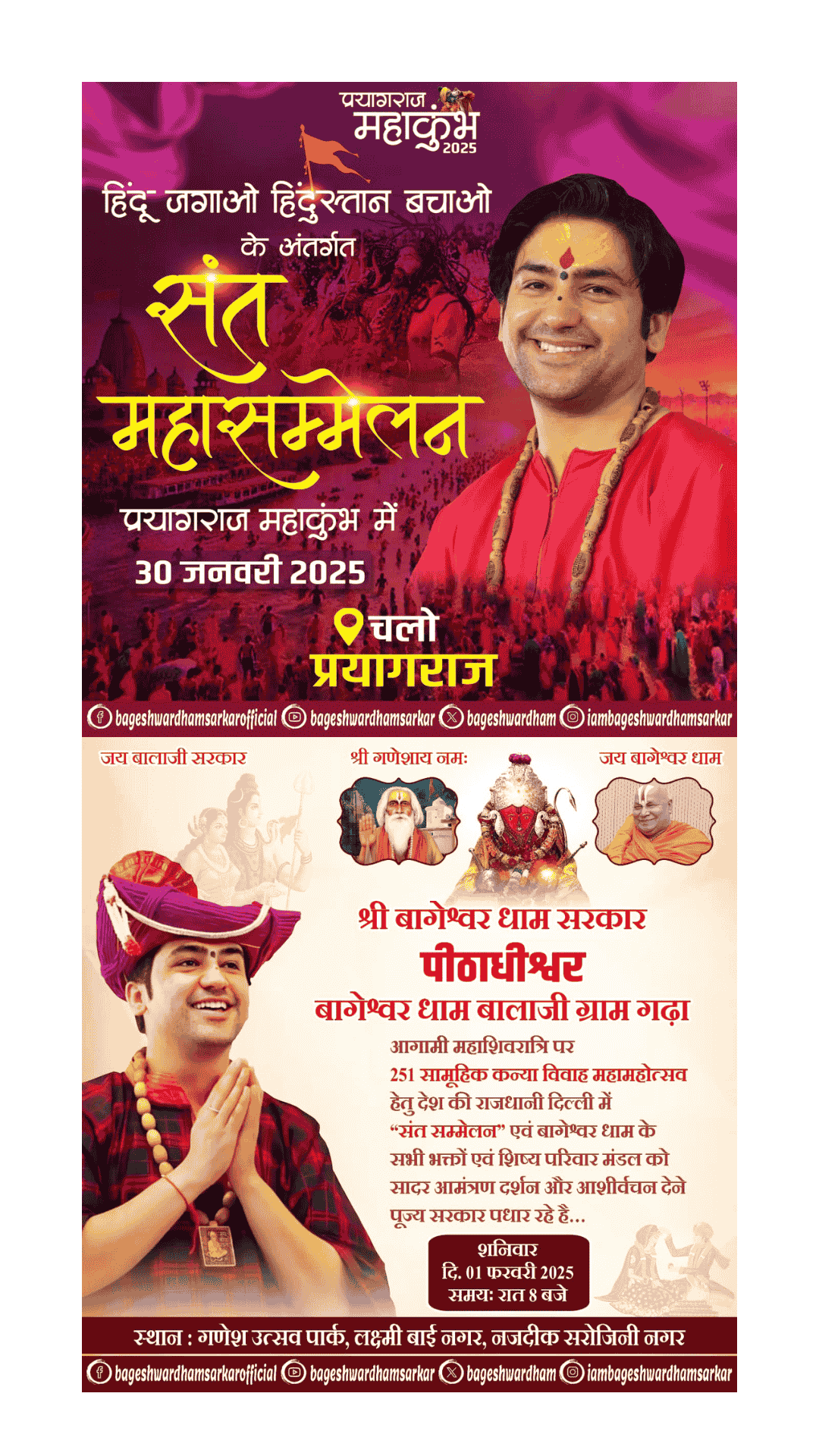
संत सम्मेलन
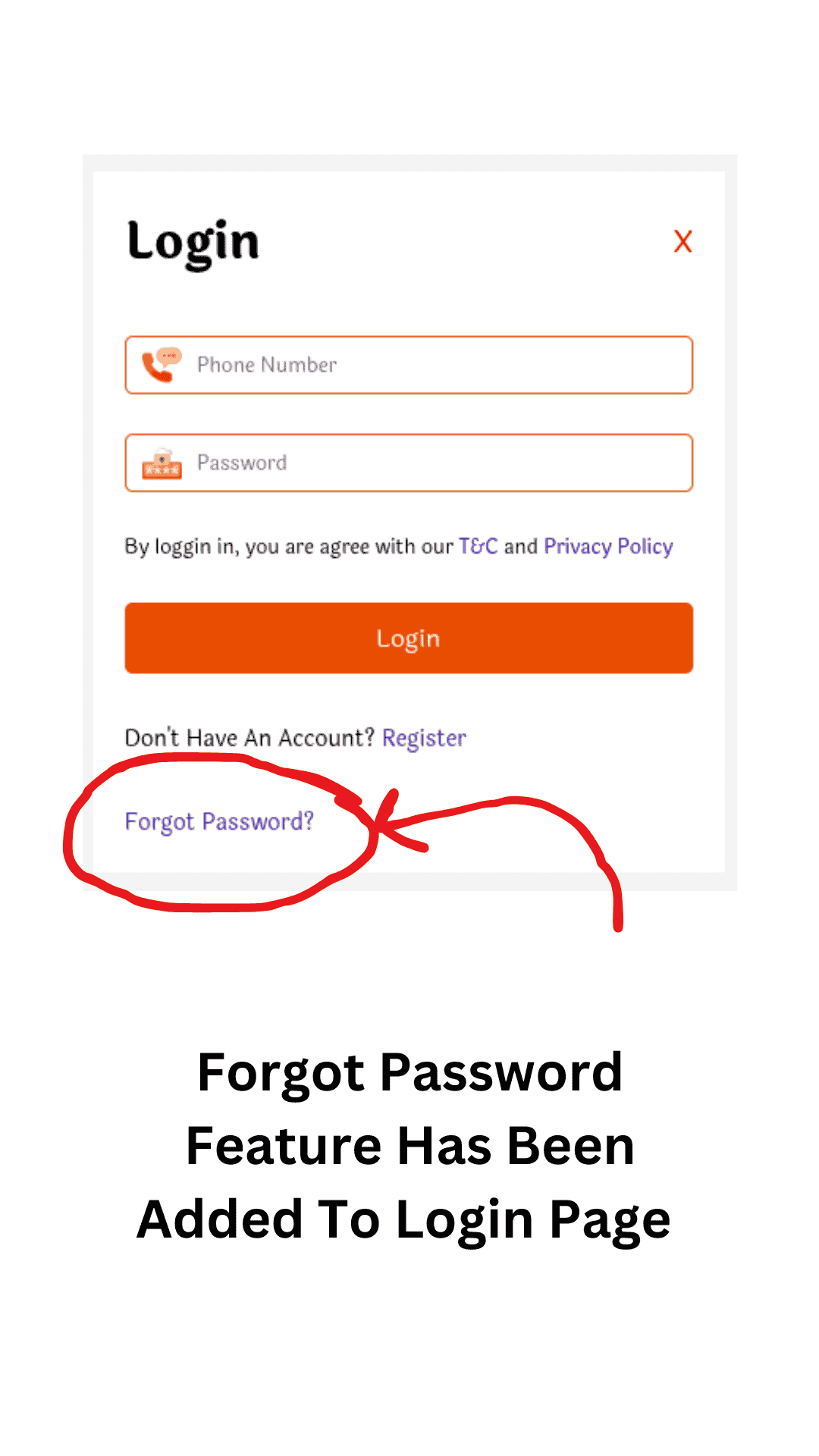
Forgot Password

Mahakumbh
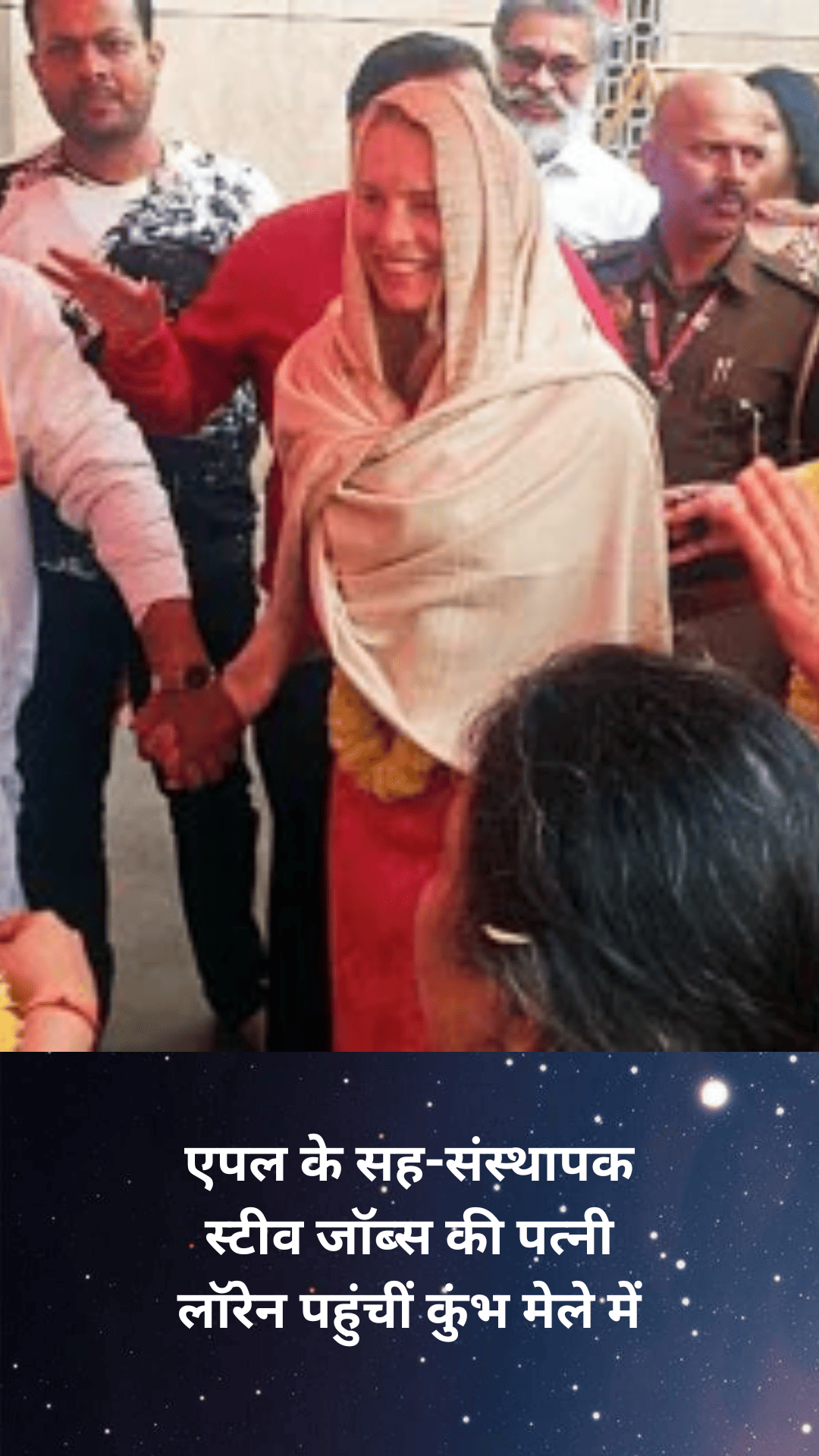
लॉरेन पावेल
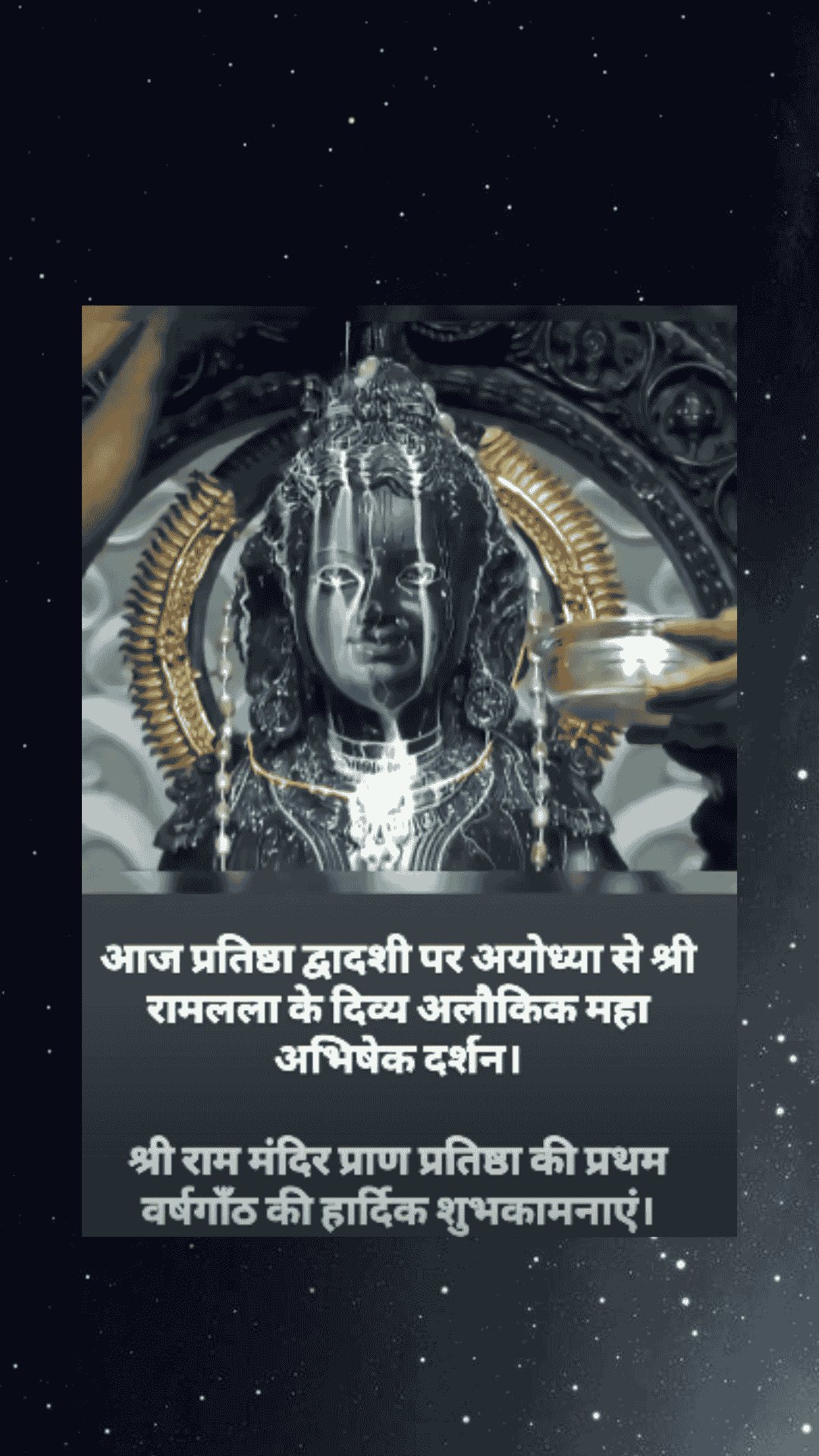
रामलला दर्शन
साधू जी सीताराम
ffd er re
sd rt wer t
sd g rt wer
exapj o d
this is first
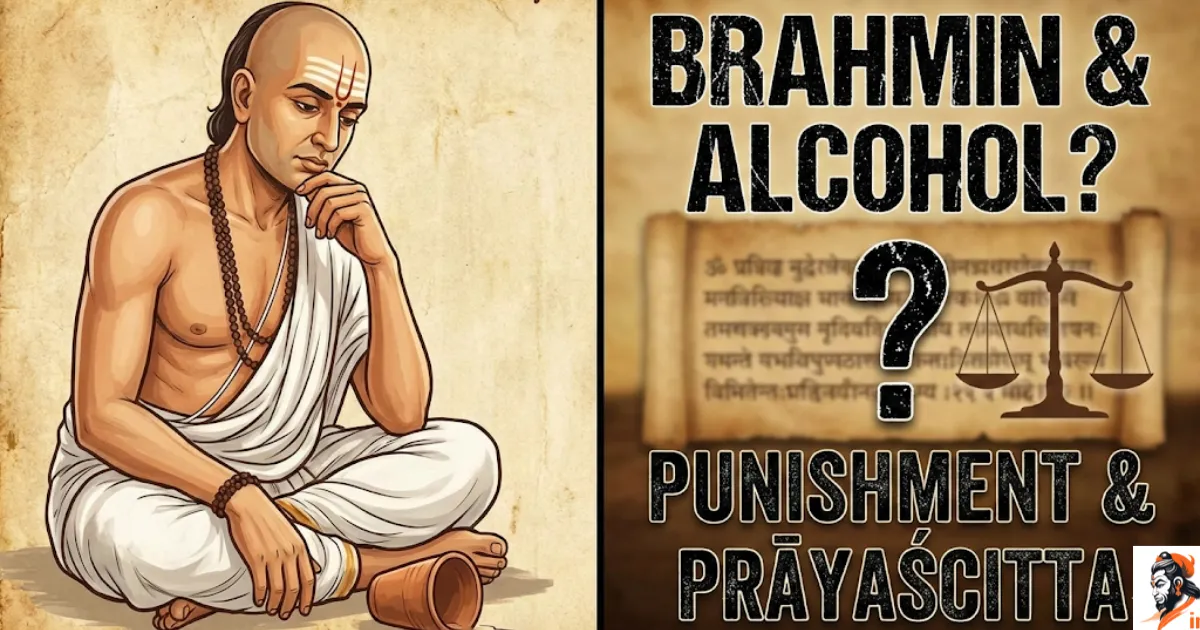
This research provides a definitive, text-based examination of the prohibition of alcohol (surā) in classical Hindu scripture. While legal texts (Smṛti) prescribe the severest social penalties for the Brāhmaṇa varṇa, this paper demonstrates that the spiritual prohibition is universal. Synthesizing evidence from the Śruti (Vedas), Smṛti (Codes), and Purāṇas (Histories), we conclude that alcohol is ontologically incompatible with Sattva Guna (purity). Therefore, it remains a forbidden substance for any Hindu, regardless of caste, who seeks a peaceful life, liberation (Mokṣa), or the lotus feet of the Supreme Lord (Shree Hari Vishnu).
In Sanātana Dharma, privileges (adhikāra) are inextricably linked to discipline (niyama). The Brāhmaṇa, entrusted with the preservation of the Veda and the performance of Yajña (sacrifice), is held to the highest standard of purity. However, the scriptures also distinguish between Varṇa Dharma (caste duties) and Sāmānya Dharma (universal duties). While the social punishment for drinking falls heaviest on the Brāhmaṇa, the spiritual consequence, separation from God, applies to all.
The authority of Dharma rests primarily on the Vedas. The prohibition of alcohol is not a later invention but is rooted in the highest revelations of the Śruti.
The Chāndogya Upaniṣad, one of the principal Mukhya Upaniṣads, establishes the hierarchy of sins.
steno hiraṇyasya surāṃ pibaṃśca gurostalpamāvasanbrahmahā ca |
yetaiḥ patati pañcamaścācaraṃstairiti ||
Translation: "He who steals gold, he who drinks surā, he who violates the Guru’s bed, and he who kills a Brāhmaṇa, these four fall, and the fifth is he who associates with them."
The use of the verb patati (falls) signifies a total collapse from spiritual standing.
The Śatapatha Brāhmaṇa (12.7.3.4) clarifies the metaphysical difference between divine elixirs and intoxicants:
Soma: Represents Satya (Truth), Śrī (Prosperity), and Jyoti (Light).
Surā: Represents Anṛta (Untruth), Pāpman (Darkness/Sin), and misery. It is strictly excluded from standard Vedic consumption.
{Read full article : Soma vs Surā in Hindu Scriptures: Original Sanskrit Verses with Meaning and the Forgotten Scriptural Difference}
The Smṛtis translate Vedic intent into actionable law. Manusmṛti provides the most granular analysis of the prohibition.
Manusmṛti prevents loopholes by classifying all forms of fermented intoxicants as forbidden.
Manusmṛti 11.95
gauḍī paiṣṭī ca mādhvī ca vijñeyā trividhā surā |
yathaiva ekā tathā sarvā na pātavyā dvijottamaiḥ ||
Translation: "There are three types of surā: Gauḍī (from molasses), Paiṣṭī (from grain), and Mādhvī (from honey/flowers). As the one (Paiṣṭī) is prohibited, so are all three prohibited for the best of the twice-born."
The text is explicit that this is not a sin that can be hidden; it fundamentally alters the person's nature.
Manusmṛti 11.98
yasya kāyagataṃ brahma madyenāplāvyate sakṛt |
tasya brāhmaṇatā naśyet śūdratvaṃ cāpi gacchati ||
Translation: "When the Brahman (Vedic knowledge) residing in the body is even once flooded by wine, his Brāhmaṇahood is destroyed, and he becomes a Śūdra."
While Smṛtis deal with social consequences, the Purāṇas detail the karmic and post-mortem results (gati).
The Śrīmad-Bhāgavata Purāṇa describes the specific hell (naraka) assigned to the drunkard.
Bhāgavata Purāṇa 5.26.29 "A Brāhmaṇa and his wife who drinks liquor is taken by the agents of Yamaraj to the hell called Ayaḥpāna (Drinking of Iron), where the agents of Yamarāja stand on their chest and pour molten iron into their mouths."
The Garuda Purāṇa (Dharma Kāṇḍa) outlines the biological regression of the soul. Because the drinker succumbed to animalistic loss of control, they are born into wombs that reflect that nature (Wolves, Dogs, Donkeys), symbolizing voracious appetite, impurity, and loss of intelligence.
Why is the restriction so severe? The answer lies in the concept of Tejas (Spiritual Fire).
Chemical Incompatibility: Alcohol is Agni-varṇā (fiery/heating) but in a Tāmasic (destructive) mode.
Destruction of Sattva: The Brāhmaṇa’s power comes from Sattva Guna (clarity/peace). Alcohol increases Rajas (passion) and Tamas (ignorance), which biologically overwrites the capacity to hold Vedic mantras.
Cultural Memory: The Mahābhārata recounts how Sage Śukrācārya cursed alcohol after it led him to unknowingly commit a grave sin, declaring it a destroyer of Dharma and wisdom.
The Dharmashāstras provide a path for atonement, distinguishing between willful and accidental consumption.
Intentional (Mati-pūrvaka): The penance is practically fatal (drinking hot fluids), symbolizing that the body which sinned is no longer fit for Dharma.
Unintentional (Amati-pūrvaka): Requires severe austerity (Taptakṛcchra or Cāndrāyaṇa) and a second initiation (Re-Upanayana) to restart one's spiritual life.
This section is crucial for understanding the broader intent of the scriptures. While the texts specifically highlight Brāhmaṇas, this is not to "target" a specific community, but to set a benchmark. If alcohol can destroy the powerful Tejas of a Brāhmaṇa, it will certainly destroy the peace and spiritual potential of any other person.
The scriptures focus on Brāhmaṇas because they are the custodians of the Veda. If the custodian falls, society falls. However, the nature of alcohol (Surā) does not change based on who drinks it. It remains Mala (filth/refuse of grain) and Tamas (ignorance) for everyone.
For any Hindu desiring a peaceful life and protection from the evils of the Kali Yuga, abstinence is mandatory. In the Śrīmad-Bhāgavata Purāṇa, when Parīkṣit Mahārāja banishes Kali (the personification of sin), Kali asks for places to reside.
abhyarthitas tadā tasmai sthānāni kalaye dadau |
dyūtaṁ pānaṁ striyaḥ sūnā yatrādharmaś catur-vidhaḥ ||
Translation: "Mahārāja Parīkṣit gave Kali permission to reside in four places: where there is gambling (dyūtaṁ), intoxication (pānaṁ), illicit association (striyaḥ), and slaughter (sūnā)."
The Universal Law: If any Hindu - Brāhmaṇa, Kṣatriya, Vaiśya, or Śūdra consumes alcohol, they are voluntarily inviting Kali into their home. Where there is alcohol, there is Kali; and where there is Kali, there is quarrel, hypocrisy, and suffering. A peaceful life is impossible in the presence of Kali.
The ultimate goal of human life in Sanātana Dharma is Mokṣa (liberation) and attaining the lotus feet of the Supreme Lord (Hari Charan).
God is Pure Consciousness (Suddha-Sattva): To approach Him, one must cultivate Sattva.
Alcohol is Ignorance (Tamas): Alcohol clouds the memory (Smṛti-bhraṃśa). The Bhagavad Gītā (2.63) states that when memory is bewildered, intelligence is lost, and when intelligence is lost, one falls down into the material pool.
Final Verdict for the Devotee: No matter one's caste, if a person desires to meet the Supreme God of the Universe, alcohol is an impassable wall. It chemically induces forgetfulness of God. Therefore, for the Mumukṣu (seeker of liberation) and the Bhakta (devotee), total abstinence is the only path.
The scriptural consensus is absolute and spans all levels of Hindu society:
For the Brāhmaṇa: Drinking surā is a social and ritual death sentence, stripping them of their varṇa immediately.
For the Society: It is a gateway to the degradation of Kali Yuga, inviting quarrel and misfortune into the family.
For the Soul: It is an anchor of Tamas that prevents the mind from focusing on the Supreme Lord.
Thus, the prohibition of alcohol is not merely a rigid rule for priests; it is a compassionate guideline for all humanity to preserve their consciousness, maintain peace, and qualify themselves for the ultimate destination, Shree Hari Vishnu.
❓ Frequently Asked Questions (FAQ)
Q: Can Brahmins drink alcohol occasionally? A: According to the Manusmṛti and Dharmashāstras, there is no exception for occasional drinking. It is considered a Mahāpātaka (grave sin) that results in the immediate loss of Brahmin status.
Q: What is the punishment for drinking alcohol in Hinduism? A: The Garuda Purāṇa and Bhāgavata Purāṇa describe severe karmic consequences, including rebirth as lower animals (like wolves or dogs) and suffering in specific hells like Ayaḥpāna.
Q: Is alcohol forbidden for all Hindus? A: While the social laws are strictest for Brahmins, the spiritual prohibition applies to all. Alcohol is considered Tamasic (mode of ignorance) and an obstacle for anyone seeking Moksha (liberation).
📚 References & Primary Sources:
Manusmṛti (Chapters 11 & 12) - Transition of Varna & Penances.
Chāndogya Upaniṣad (5.10.9) - The Five Great Sins.
Śrīmad-Bhāgavata Purāṇa (Canto 5, Chapter 26) - Description of Narakas.
Garuda Purāṇa (Dharma Kāṇḍa) - Karmic consequences and rebirth.
Śatapatha Brāhmaṇa - Distinction between Soma and Surā.
Editor’s Note & Disclaimer: This article is a scholarly compilation of verses from classical Hindu scriptures (Śruti, Smṛti, and Purāṇa). The views expressed here reflect the theological and legal framework of ancient Dharmaśāstra. This research is intended for educational and spiritual purposes to understand the classical position on alcohol. It does not intend to target any specific community or promote discrimination, nor does it supersede the laws of the modern Constitution.
About the Author
Sachin Verma is the voice behind HinduIntellectual.com. Frustrated by the distortions and mistranslations of Hindu scriptures in the modern era, Sachin has dedicated his research to going back to the source. His mission is simple: to present the "Hard Truths" of Dharma exactly as the Rishis intended, unapologetic, authentic, and scripture-based. He specializes in Dharmashāstra and Purāṇic studies, helping modern Hindus navigate their heritage with confidence and accuracy.
उत्तरदाता :-

Sachin Verma
Hindu Intellectual
प्रश्नकर्ता :-
.
.

👁 681
👁 1586
👁 849
👁 1982
👁 1122
👁 31528
👁 1982
👁 1985
HinduIntellectual: Explore 700+ shastras, Ramcharitmanas, bhajans, aartis, mantras, festivals, contests, and spiritual insights. A platform for Hindus to connect, learn, and celebrate Sanatan Dharma.
support@hinduintellectual.com