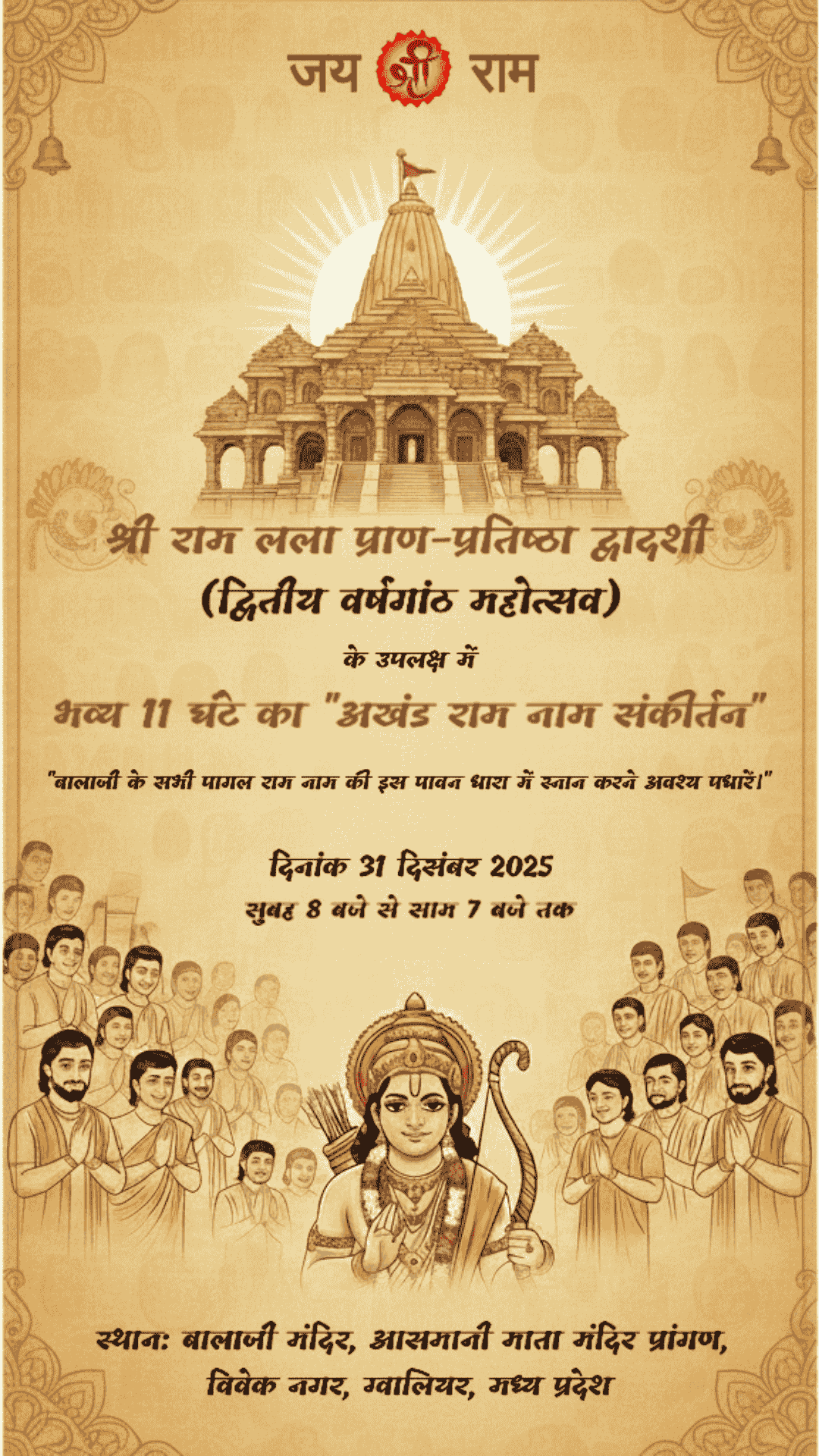
प्रतिष्ठा द्वादशी
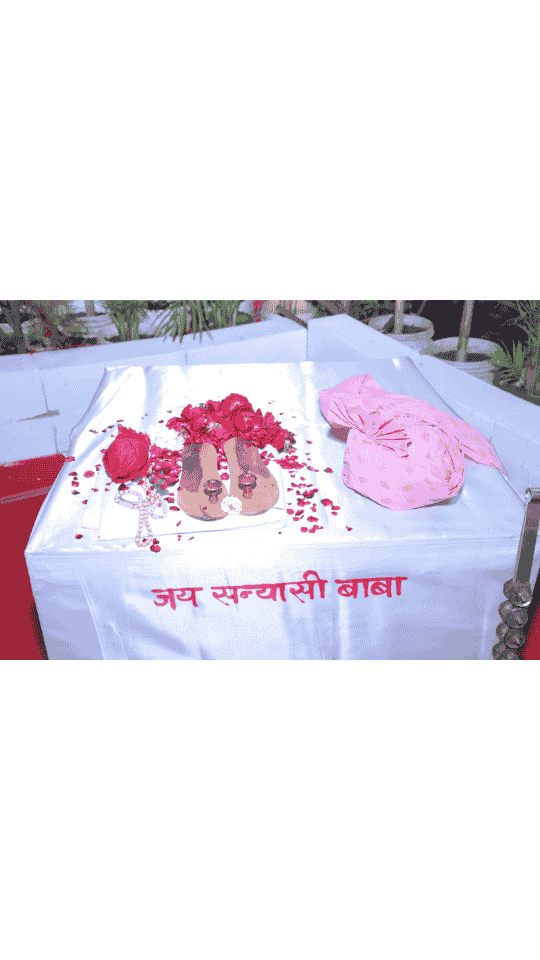
सन्यासी बाबा
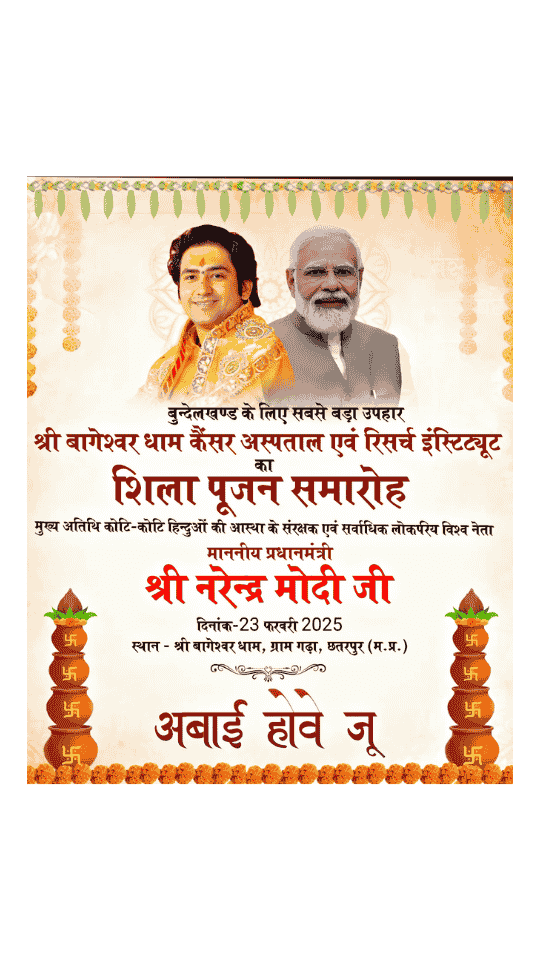
कैंसर हॉस्पिटल
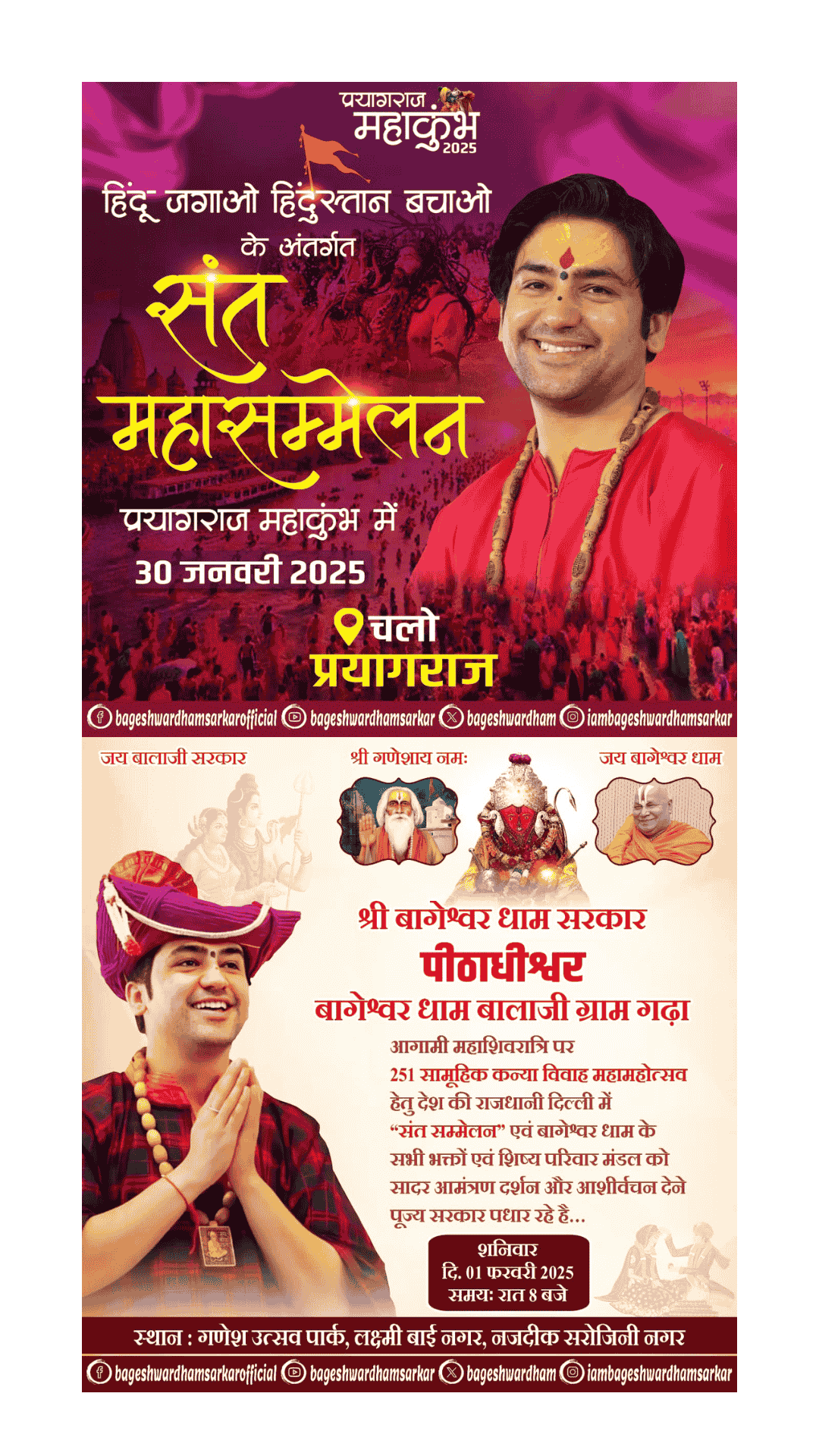
संत सम्मेलन
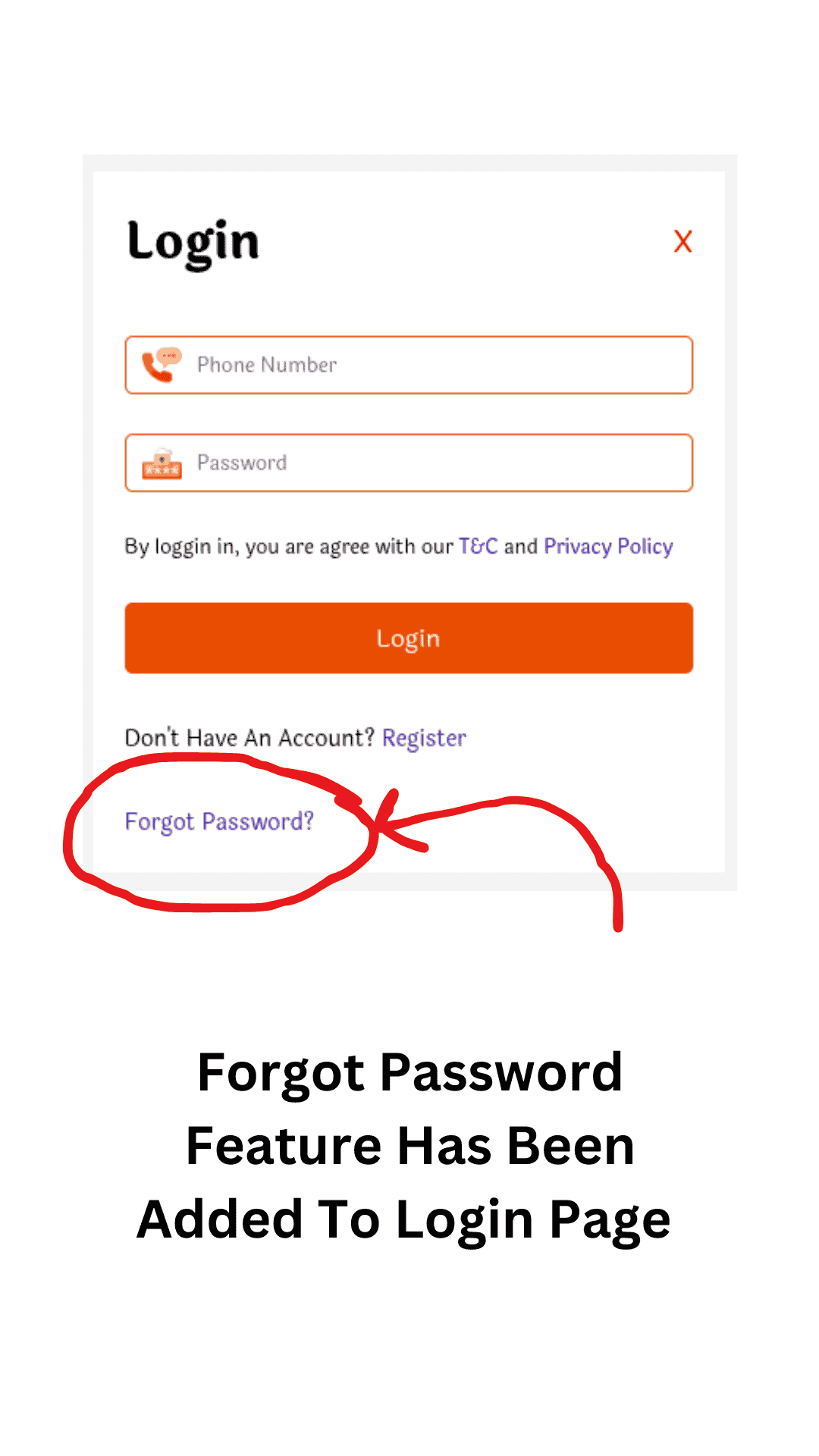
Forgot Password

Mahakumbh

लॉरेन पावेल
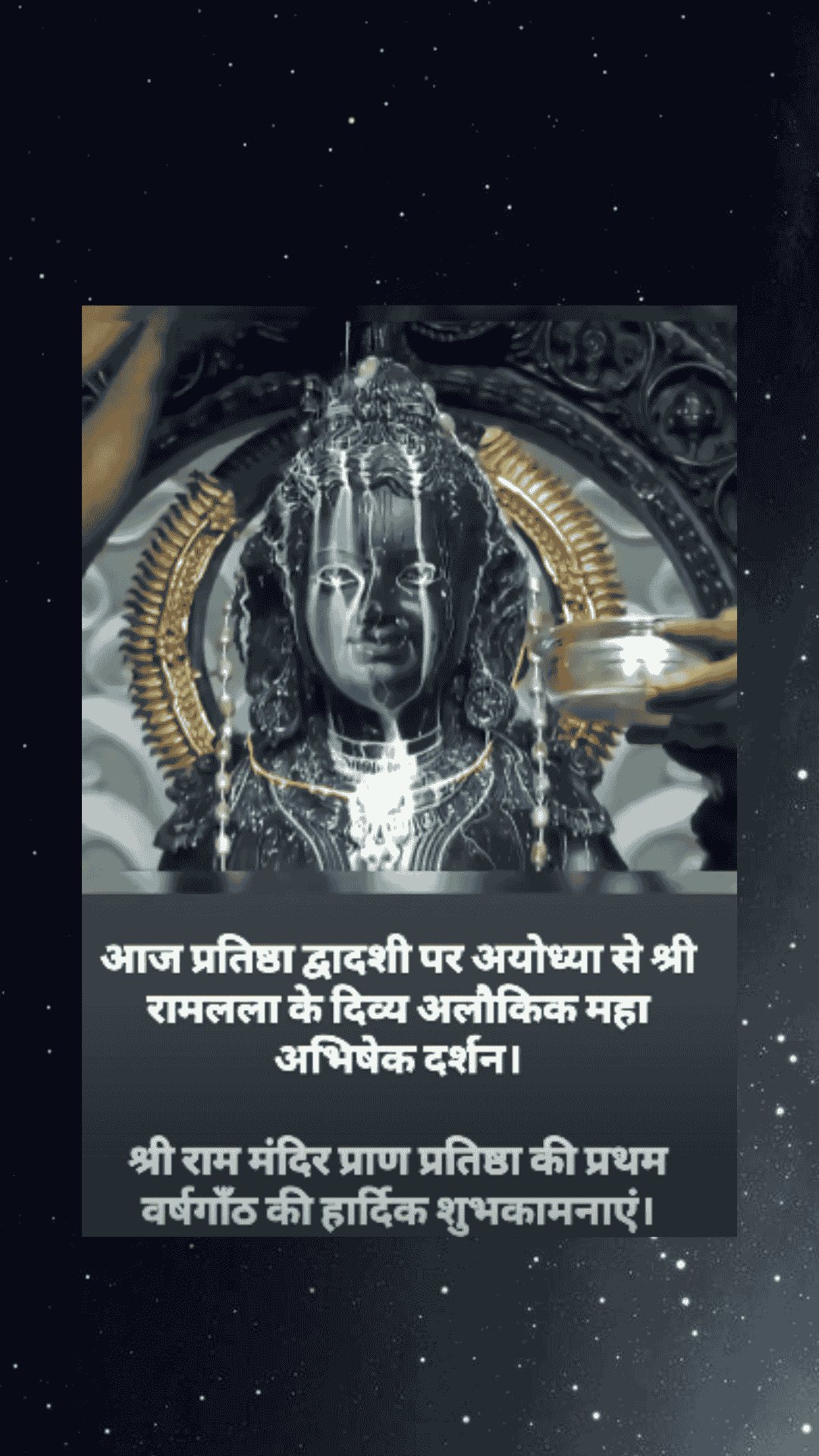
रामलला दर्शन

साधू जी सीताराम

ffd er re

sd rt wer t

sd g rt wer

exapj o d

this is first

हिंदी:
जप - एक सरल शब्द पर भारी प्रभाव। साधारणतः जप का अर्थ है किसी मंत्र, नाम या सूक्ति का नितांत ध्यानपूर्वक और बार-बार उच्चारण या मन में स्थिर करना। यह सिर्फ बोली नहीं; यह मन को शांत करने, ध्यान को केन्द्रित करने और आत्मा से जुड़ने का अभ्यास है।
English:
Japa is a small word with big results. Broadly, japa means the repeated, attentive utterance or mental recitation of a mantra, divine name, or sacred phrase. It’s not just speech - it’s a practice to calm the mind, focus attention, and connect with the deeper Self.
हिंदी:
वेद और उपनिषदों से लेकर पुराण और भक्ति साहित्य तक, जप का उल्लेख बार-बार मिलता है। नर-नारायण, देवी-देवताओं के नाम, वीर रस के श्लोक - सभी रूपों में जप को सादगी से आध्यात्मिक साधना बताया गया है। बगैर जटिल अनुष्ठान के भी, नाम-जप को कालीयुग में सर्वोत्तम साधन माना गया है।
English:
From the Vedas and Upanishads to Puranas and devotional texts, references to japa are abundant. Whether chanting the names of gods, goddesses, or sacred verses, japa is presented as a simple yet profound spiritual practice. In many traditions it’s recommended as a primary sadhana (practice) especially accessible in the age of Kali.
हिंदी:
वाचिक जप : मुख से उच्चारित जप।
उपांशु जप : फेंफड़ों के पास, धीरे-धीरे स्वर बिना मुख से बाहर निकाले।
मानसिक जप (मंत्र हीन) : केवल मन में जप करना, मौन पर आधारित।
English:
Vachik Japa : vocal recitation (spoken aloud).
Upanshu Japa : whispered or throat-level recitation.
Manasic Japa : mental repetition, silent in the mind.
हिंदी:
साफ़ स्थान चुनें; थोड़ी देर के लिए मोबाइल आदि बंद कर दें।
आराम से बैठें - स्वस्थ मुद्रा (पद्मासन अनिवार्य नहीं)।
एक माला (108 मोतियाँ सामान्य) का उपयोग करें या मन में गिनती रखें।
अपना संकल्प (संकल्प) करें - लक्ष्य स्पष्ट हो (शांति, भक्ति, ध्यान)।
धीमे-धीमे और सजग होकर जप करें; श्वास के साथ तालमेल रखें।
English:
Choose a clean, quiet spot; silence distractions.
Sit comfortably - no need for extreme postures.
Use a mala (108 beads common) or count mentally.
Make a simple sankalpa (intention): peace, devotion, clarity.
Chant with awareness; coordinate with breath when possible.
हिंदी:
ध्यान (ध्यानस्थता) आसान बनता है।
मानसिक अशांति, घबराहट घटती है और मन स्थिर होता है।
भक्ति व प्रेम की अनुभूति गहरी होती है - ईश्वर का नाम नज़दीक लगता है।
जीवन में अनुशासन और सहनशीलता आती है।
English:
Makes meditation easier and steadier.
Reduces agitation and brings mental calm.
Deepens devotion and a sense of intimacy with the Divine.
Encourages discipline, patience, and inner resilience.
हिंदी:
जप के प्रभाव को आधुनिक विज्ञान भी कुछ हद तक समझता है - न्यूरोसाइंस और मनोविज्ञान के सिद्धांतों से इसका समर्थन मिलता है:
ध्यान और आवृत्ति: बार-बार एक शब्द कहने से ध्यान केंद्रित रहता है; विचारों का चक्र टूटता है और डिफ़ॉल्ट मोड नेटवर्क (mind-wandering) शांत होता है।
श्वास और स्वायवंशीय तंत्रिका: धीमा, रिदमिक जप श्वास को नियंत्रित करता है - यह वॅगस नर्व पर असर डालता है, जिससे तनाव हार्मोन घटते हैं और parasympathetic response (आराम) बढ़ता है।
ध्वनि कंपन: शब्दों और मंत्रों के उच्चारण से शरीर में सूक्ष्म कंपन उत्पन्न होते हैं; इससे मन और शरीर में तालमेल बनता है।
न्यूरोप्लास्टिसिटी: रोज़ाना की साधना मस्तिष्क के पथों को शैप देती है - लक्षणात्मक बदलाव महीनों में दिखते हैं।
English:
Modern science offers partial explanations that align with japa practice:
Attention & repetition: Repeating a phrase stabilizes attention and reduces mind-wandering (default mode network activity).
Breath & autonomic nervous system: Rhythmic chanting coordinates with breathing, engaging the vagus nerve and promoting parasympathetic (rest-and-digest) responses.
Acoustic vibration: Vocalized mantras produce subtle vibrations that help synchronize body and mind.
Neuroplasticity: Regular practice reshapes neural pathways - small changes cumulatively create lasting mental habits.
हिंदी:
मिथक: “किसी विशेष जन्म/जाति का होना जरूरी है।” : गलत।
सत्य: जप का अधिकार मूलतः मन की सच्ची इच्छा और मार्गदर्शन पर निर्भर करता है; सच्ची निष्ठा अधिक मायने रखती है।
मिथक: “अभी-तुरंत चमत्कार होंगे।” : गलत।
सत्य: जप धीरे-धीरे चरित्र, समझ और अनुभव बदलता है; धैर्य आवश्यक है।
English:
Myth: Only certain birth or caste can chant. : False.
Reality: Access depends on sincere intent and proper guidance; devotion matters more than birth.
Myth: Immediate miracles will occur. : False.
Reality: Effects are gradual - character, perception, and inner peace deepen over time.
हिंदी:
सरल मंत्र: राम, कृष्ण, ॐ नमः शिवाय, हरे राम, महालक्ष्मी मंत्र - अपने गुरु/परंपरा से मिलाकर चुनें।
शुरुआत: रोज़ 10–20 मिनट से शुरू करें; फिर धीरे-धीरे अवधि बढ़ाएँ।
ईमानदारी रखें - जप सिर्फ गिनती नहीं; सच्चा मन लगाना ज़रूरी है।
English:
Simple mantras: Ram, Krishna, Om Namah Shivaya, Hare Ram, or any tradition-specific mantra chosen with guidance.
Start with 10–20 minutes daily, then gradually increase.
Maintain sincerity - japa is more than counting beads; it’s the heart’s focus.
हिंदी:
जप एक शक्तिशाली, सरल और वैज्ञानिक रूप से भी समझ में आने वाला साधन है, यह मन को नियंत्रित करता है, आत्मिक महसूस बढ़ाता है और जीवन में स्थिरता देता है। सही इरादा, धैर्य और नियमित अभ्यास जप का केन्द्र हैं।
English:
Japa is a powerful, accessible practice that resonates with both spiritual insight and scientific understanding. It steadies the mind, deepens devotion, and brings transformative stability, when practiced with intention, patience, and regularity.
हिंदी:
आज से रोज़ 7 मिनट - सपाट जगह, सांस पर ध्यान, अपने पसंदीदा नाम/मंत्र का जप। छोटे कदम, बड़ा परिवर्तन।
English:
Start today for 7 minutes: sit quietly, focus on the breath, repeat a chosen name/mantra. Small steps, big change.
हिंदी Keywords:
जप क्या है, जप का अर्थ, नाम जप के फायदे, जाप का महत्व, जाप कैसे करें, मंत्र जप, वाचिक उपांशु मानसिक जप, जप शाश्त्रिक आधार, जप के लाभ, कालीयुग में जप
English Keywords:
what is japa, japa meaning, benefits of chanting, how to do japa, mantra japa, types of japa, spiritual benefits of chanting, science of chanting, japa practice guide, japa for beginners
उत्तरदाता :-

Sachin Verma
Founder HI
प्रश्नकर्ता :-
You
.

👁 7987

👁 3198

👁 1958
👁 3479
👁 2106
👁 2305
👁 2618

👁 3679

HinduIntellectual: Explore 700+ shastras, Ramcharitmanas, bhajans, aartis, mantras, festivals, contests, and spiritual insights. A platform for Hindus to connect, learn, and celebrate Sanatan Dharma.
support@hinduintellectual.com